What makes a coin truly valuable?
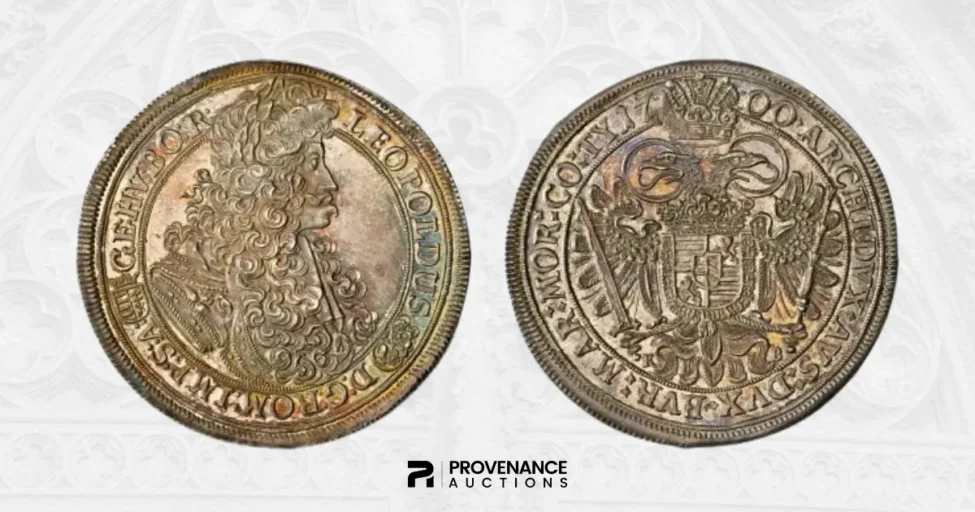
An old coin may spend years tucked away in a drawer, an envelope, a wallet, or as part of a family collection. At first glance, it may seem like nothing more than an interesting old object, yet it can sometimes represent far greater market value than its owner might expect.
Many people assume that the value of a coin is determined primarily by its rarity. Rarity is certainly an important factor, but it is not enough on its own. In the numismatic market, value is a far more complex question. Condition, demand, historical background, date, mint mark, variety, and even the way a coin is presented at auction can all play an important role.
This is why two coins that appear very similar at first glance can achieve significantly different prices.
Rarity matters, but it is not everything
Rarity is one of the best-known factors that can increase a coin’s value. If only a small number of examples have survived, or if a particular date, mint mark, or variety is difficult to find, this can naturally make the coin more valuable.
However, rarity becomes a truly strong market factor only when there is demand behind it. A rare coin will not necessarily achieve a high price if only a limited number of collectors are interested in that field. By contrast, a sought-after type that regularly attracts competitive bidding may achieve much stronger results.
This is why it is not enough simply to know whether a coin is rare. It is also important to understand the level of collector interest in that particular type, both domestically and internationally.
Condition is often decisive
In numismatics, condition is one of the most important factors in determining value. A coin may be rare, but if it is heavily worn, damaged, cleaned, or preserved in weaker condition, its price can be significantly affected.
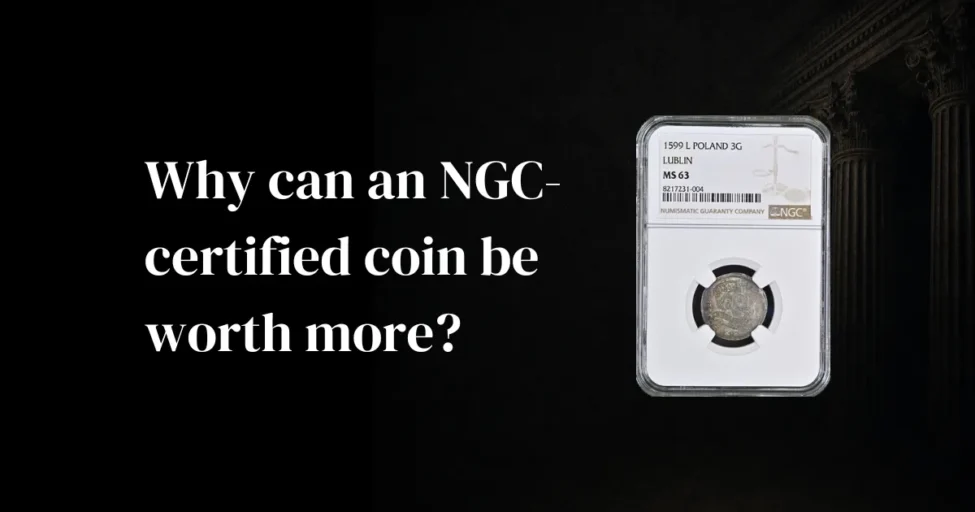
On the other hand, a well-preserved example can attract outstanding interest, especially when few coins of that type have survived in high quality. For collectors and investment-minded buyers alike, condition is becoming increasingly important: the sharpness of the details, the natural appearance of the surface, and the presence or absence of damage or earlier intervention can all influence value.
This is why two examples of the same coin type can sell for very different prices. Even a relatively small difference in condition can lead to a significant difference in the final auction result.
Historical background can add significance
A coin is not merely a piece of metal or a collectible object. In many cases, it is a tangible trace of an era, a ruler, a mint, or a historical event.
A Habsburg gold coin, a medieval Hungarian issue, or a piece connected to a remarkable historical period may carry not only numismatic value, but also cultural and historical significance. For many collectors, this background makes a coin particularly appealing.
However, historical significance is not always obvious at first sight. A seemingly simple piece may have a monetary, political, or dynastic context that makes it far more interesting from a professional point of view. This is why accurate identification and a well-prepared professional description are essential.
Demand is just as important as the coin itself
The value of a coin does not exist in isolation. Market demand strongly influences the price a particular piece can achieve.
There are periods when certain areas, countries, eras, or types become especially sought after. In such cases, collectors bid more actively, and better-quality examples can achieve outstanding results. In other cases, even a professionally interesting coin may receive less attention if demand for that category is currently more moderate.
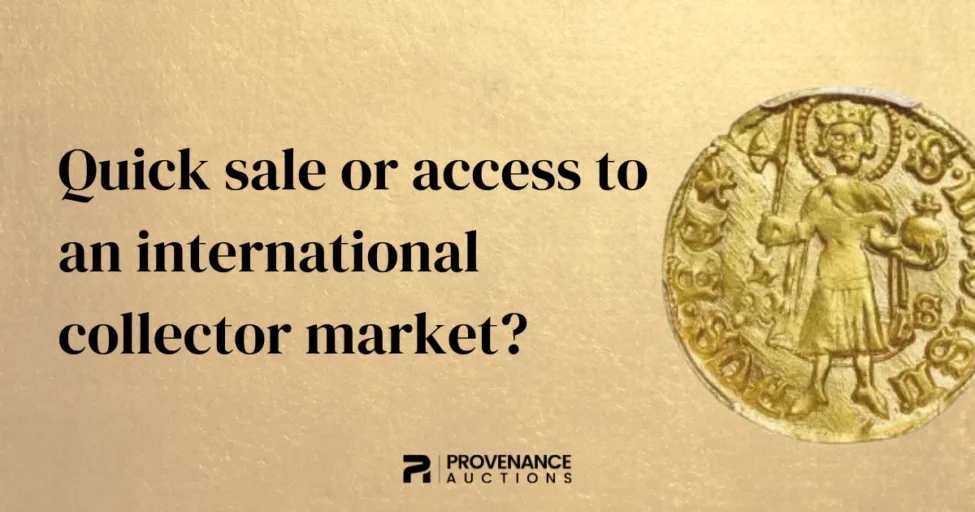
The international market is particularly important in this respect. A coin that is less widely known or attracts fewer buyers in Hungary may receive far greater attention among foreign collectors.
Presentation at auction also matters
The auction result is influenced not only by the coin itself, but also by the way it is presented. Accurate identification, high-quality photography, a professional description, and appropriate international exposure can all help a coin receive the attention it deserves in relation to its true market value.
Poor photographs, an incomplete description, or an inaccurate attribution can easily reduce buyer interest. By contrast, a well-prepared and professionally presented coin inspires greater confidence among collectors and may generate stronger competition at auction.
This is especially important for pieces whose value is not immediately obvious. In such cases, professional background and proper presentation can play a decisive role.
Why guessing is rarely enough
Many people try to estimate the value of an old coin through online searches, forums, or similar listings. This can be an interesting starting point, but it is often misleading.
Prices visible online are not always actual selling prices. An asking price does not mean that the item has sold, or that it could sell for that amount. In addition, two coins that look similar may differ significantly in condition, rarity, mint mark, or variety.
For an accurate valuation, recognizing the coin is not enough. It requires condition assessment, catalogue knowledge, market experience, and familiarity with auction results.
When should you consult an expert?
It is worth seeking expert advice if you have inherited an old coin, discovered a family collection, or own a piece whose significance you are unsure about. Valuation can also be useful for collectors who want to better understand which items in their collection may have stronger market potential.
In many cases, the first step is simply providing a few good-quality photographs. Even from images, it may become clear whether a coin or collection is worth examining in greater detail.
Conclusion: value lies in the details
The value of a coin is not determined by a single factor. Rarity, condition, historical background, collector demand, and auction presentation all contribute to the market value a piece may achieve.
This is why two coins that appear similar at first glance can produce significantly different results.
If you have a coin or collection and would like to understand its potential market value, send photos to Provenance. We can help with an initial evaluation and show you what opportunities may be available through auction sale.
Do you have a coin, banknote or collection at home?
You don’t need to know its value in advance.
Share article
Do you have questions?
We are here to help.
If you have a question regarding an auction or require assistance with any of our services, please contact us. Complete the form and we will respond as soon as possible. We are available to support you at any stage of the bidding process or with any related inquiry.