What’s hidden in the attic? In search of old coins and forgotten family treasures
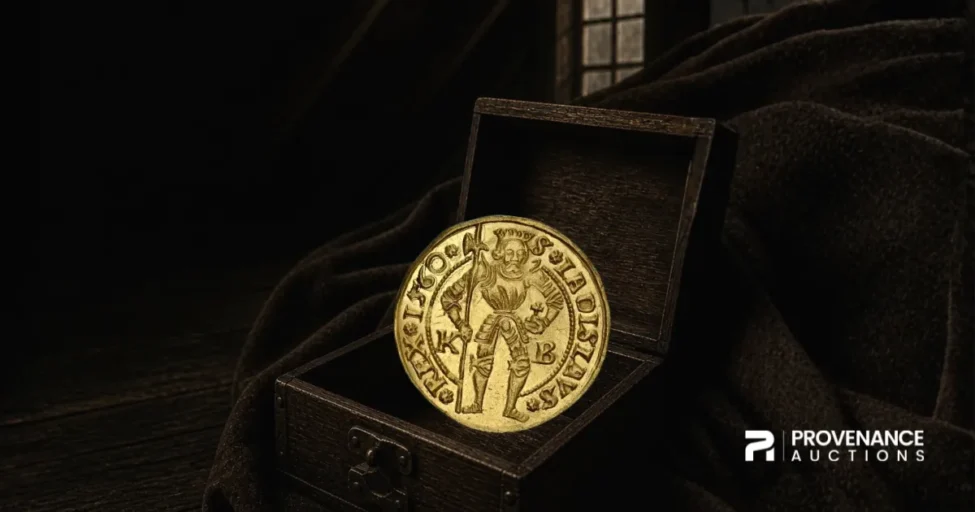
An attic often holds more than dusty boxes, old furniture and family items set aside long ago. Sometimes it reveals small keepsakes that may seem insignificant at first, yet later turn out to tell a fascinating story.
Old coins can be exactly like that.
A piece tucked away in an envelope, wooden box, wallet or forgotten chest may look like nothing more than “old money” for years. Then one day, someone picks it up, looks at the date, the worn inscription, the tiny markings — and the question arises:
Could this be worth something?
Why do old coins end up in attics?
Old coins are often preserved not as deliberate collections, but as simple family keepsakes.
Perhaps a grandparent set them aside. Perhaps they were kept from a journey, military service, a gift or an inheritance. Sometimes parts of a small collection come to light, even though the family no longer knows exactly who started it, when it was assembled or why it mattered.
In moments like this, the attic becomes a kind of time capsule: something put away decades ago may be seen very differently today.
Not every old coin is valuable — but not every old coin is ordinary
It is important to know that age alone does not necessarily mean high value. Many old coins were produced in large quantities and are therefore common on the market. Others, because of their condition, may be best regarded as keepsakes rather than valuable collector’s items.
But that is exactly what makes the subject so interesting: from the outside, it is not always obvious what makes a coin special.
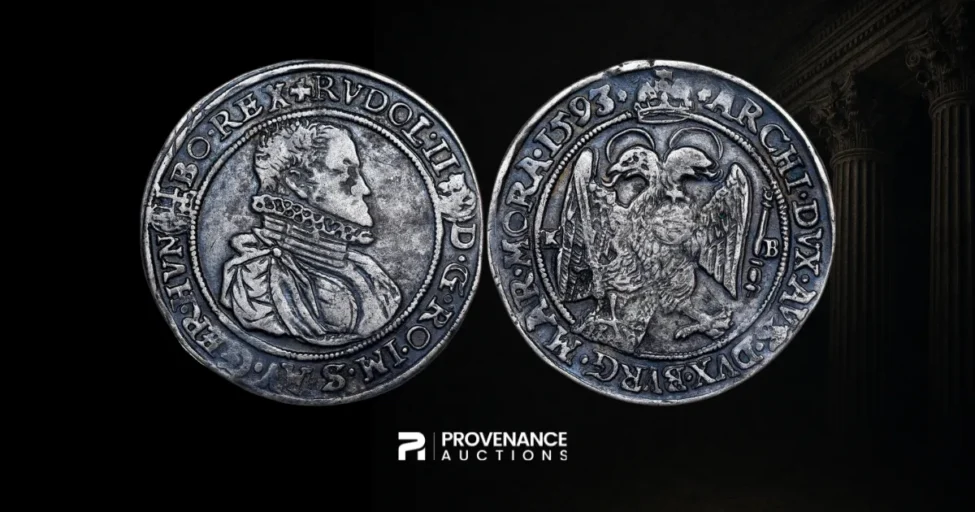
A coin that appears ordinary may belong to a rarer year. A tiny letter or marking may indicate where it was struck. A well-preserved example may be far more interesting to collectors than a heavily worn piece of the same type.
In other words, it is rarely worth deciding at first glance that “this must be worthless”.
What can determine the value of an old coin?
The value of a coin is shaped by several factors working together. It is not only a question of whether it is made of gold or silver, and it is not enough to say that it is “old”.
The date, for example, can be important, because certain years are rarer or more sought after. Even within the same type, there can be a significant difference between two different years.
Condition is also crucial. A well-preserved, detailed and uncleaned coin may generally be worth more than a heavily worn or damaged one.
The mint mark is a small mark on the coin that can indicate where it was struck. At first, it may seem like an insignificant detail, yet it can play an important role in identification.
Rarity does not always mean that something is extremely old. A piece that has survived in small numbers or is sought after by collectors may be valuable even if it is from a more recent period.
What should you not do if you find an old coin?
The most important rule is this: do not clean it at home.
Many people assume that if a coin looks shinier, it will also appear more valuable. In reality, home cleaning can easily leave scratches, surface damage or traces that may reduce its value.
It is not advisable to rub, polish, chemically treat or soak the coin in water. If a piece turns up, it is better to put it aside in a dry, safe place, preferably separated from other objects.
When is it worth turning to an expert?
It is worth asking for an expert opinion whether only one or two coins have appeared, or whether there is an entire box of old money.
An expert can help identify exactly what the piece is, what condition it is in, how common or rare it may be, and whether it could have market value.
This is especially important in the case of inheritance, estate sorting or before a potential sale. It can help avoid an interesting piece being accidentally undervalued — or a family keepsake being misunderstood.
The story of a forgotten box
An old box, a forgotten chest or a family inheritance does not always hide a great treasure. But sometimes a single small coin is enough to bring a story back to life.
It may be nothing more than a beautiful memory.
It may be a piece of interest to collectors.
And it may even hold real numismatic value.
If you find an old coin at home, it is worth showing it to an expert. A small detail can make a big difference.
Share article

Do you have questions?
We are here to help.
If you have a question regarding an auction or require assistance with any of our services, please contact us. Complete the form and we will respond as soon as possible. We are available to support you at any stage of the bidding process or with any related inquiry.